The Role of Food in Local Travel Experiences
When we think about travel, often the first images that come to mind are breathtaking landscapes, historical sites, and cultural experiences. However, one of the most enriching aspects of traveling, especially in regions like Portugal, is the local cuisine. Exploring local food not only satiates our hunger but also provides insight into the culture and traditions of the area. In this article, we will delve into how food enhances local travel experiences, supported by various studies and recommendations from experts in the field.
Understanding the Cultural Significance of Food
Food serves as a bridge to understanding a region's history and lifestyle. According to cultural anthropologists, traditional dishes often reflect the agricultural practices, climate, and resources available in a region. For instance, Portugal is famed for its seafood, which is linked to its geographic position along the Atlantic coast. This creates a unique dining experience that can often only be understood through tasting.
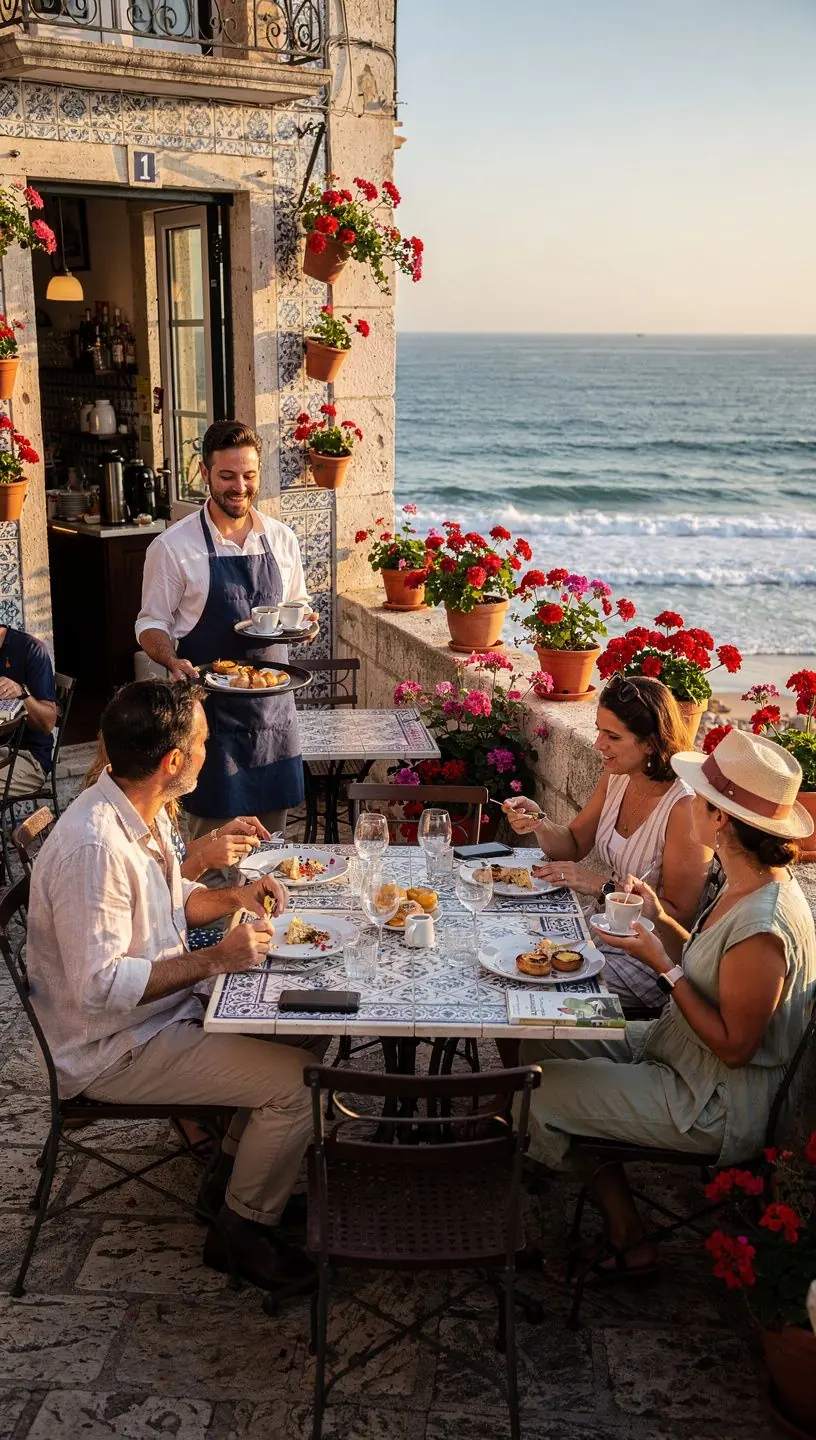
"Food is a key component of culture; it embodies the history and customs of a place." - Culinary Anthropologist
Experiencing Authenticity through Local Cuisine
When traveling, many people seek authentic experiences that connect them to the culture. Engaging with local food can enhance this experience in several ways:
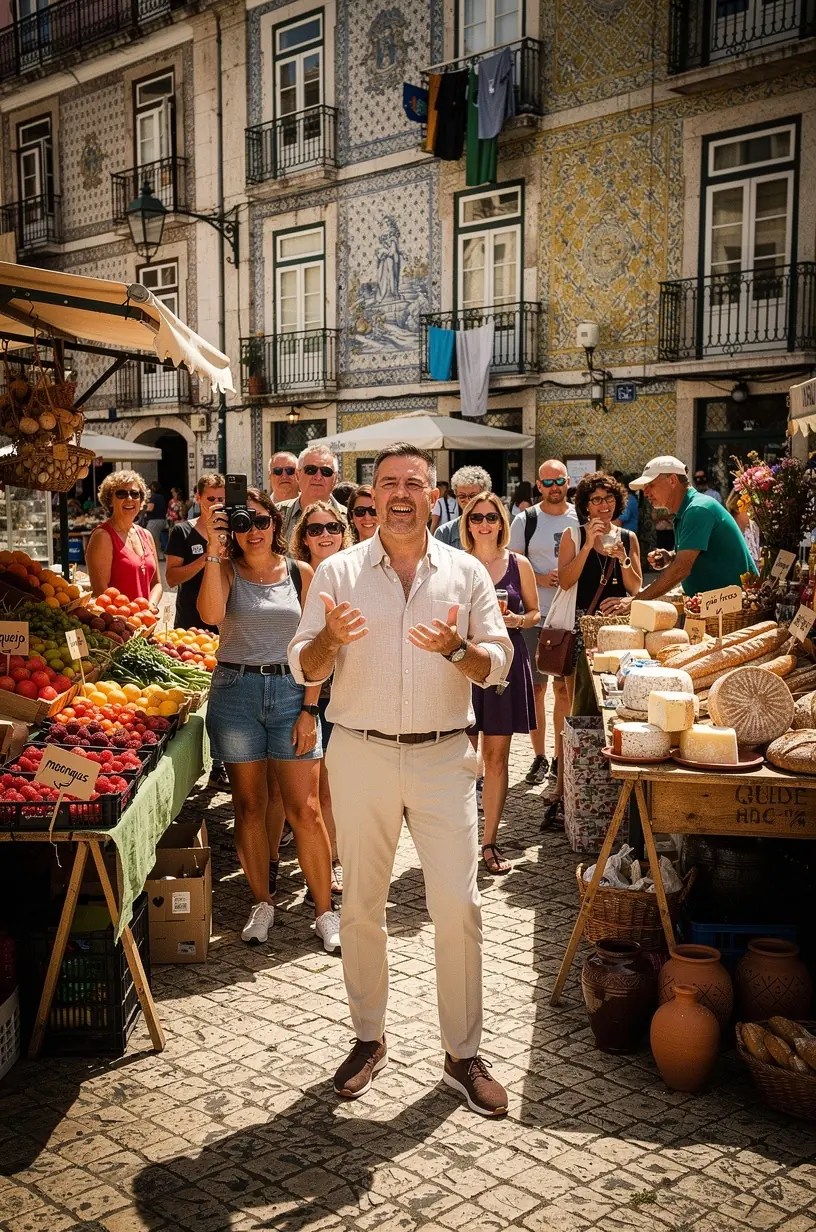
- Local Markets: Visiting local markets, such as Lisbon's Mercado da Ribeira, can provide travelers with firsthand insights into regional ingredients and culinary practices. Studies show that interactions in these settings often lead to a deeper appreciation of local culinary traditions.
- Cooking Classes: Participating in cooking classes led by local chefs can improve one’s understanding of traditional cooking methods. Experts recommend these hands-on experiences as effective ways to engage with local culture.
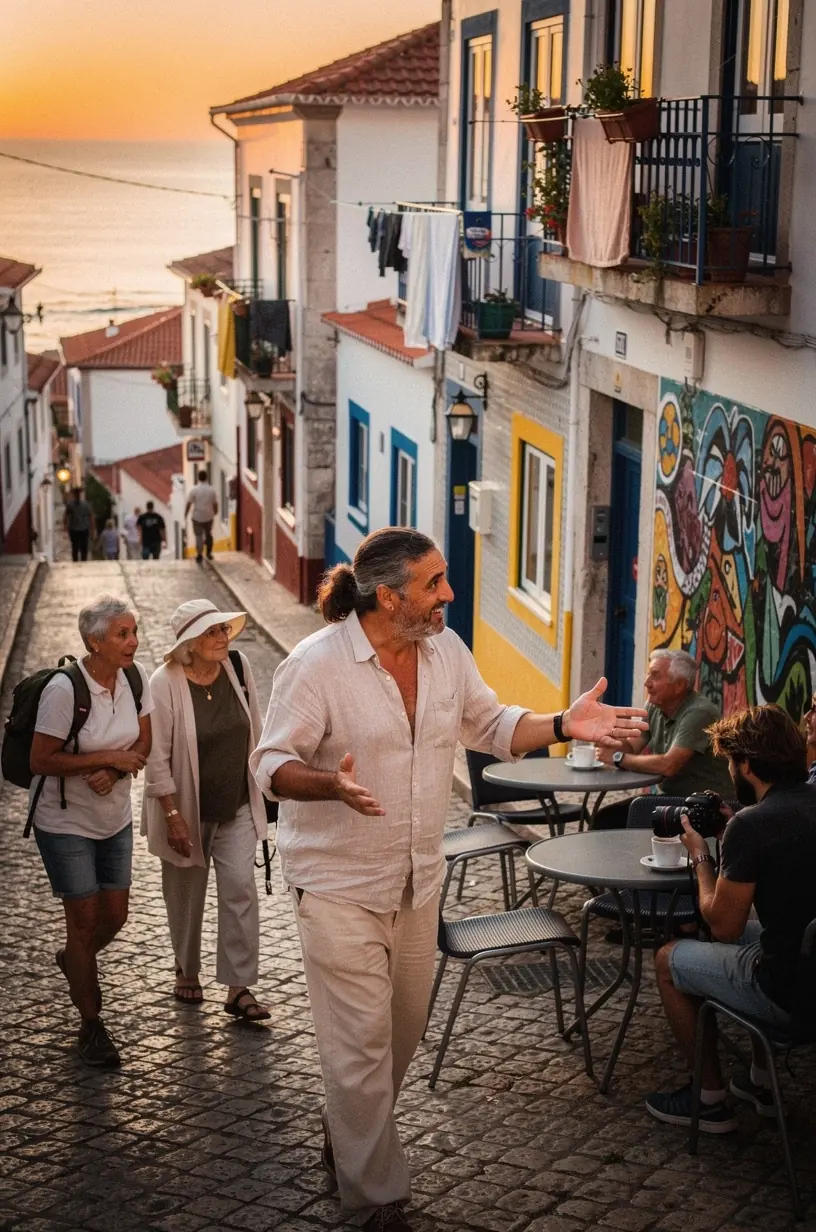
- Food Tours: Many travelers benefit from food tours that guide them through various eateries, allowing them to sample diverse dishes while learning about their origins. This approach often results in memorable culinary experiences that define their travels.
The Connection Between Food and Community
Food has a remarkable ability to unite people. In many communities, meals are often enjoyed together, fostering connections among locals as well as visitors. According to recent studies, sharing a meal can create a sense of belonging and understanding, which is particularly valuable in travel experiences. This phenomenon is particularly evident during local festivals or in family-run restaurants where travelers can mingle with residents.
Challenges and Considerations
While the exploration of local cuisine is enriching, it's essential to approach it with an understanding of potential challenges. For travelers with dietary restrictions or allergies, it may require additional effort to find suitable options. Moreover, authentic experiences often rely on prior research and local recommendations, which may take time. Engaging with local guides can ease this process, helping to navigate food choices effectively.
Conclusion
In summary, food plays a pivotal role in shaping local travel experiences, particularly in culturally rich regions like Portugal. By embracing local cuisine, travelers can gain deeper insights into the culture and community, creating lasting memories. As the culinary landscape continues to evolve, it's important for travelers to engage respectfully and thoughtfully with local traditions, ensuring that their experiences are both enriching and authentic. Whether it’s through market visits, cooking classes, or food tours, the journey through local flavors is one that can significantly enhance the overall travel experience.
Discover More