Understanding the Impact of Tourism on Local Communities
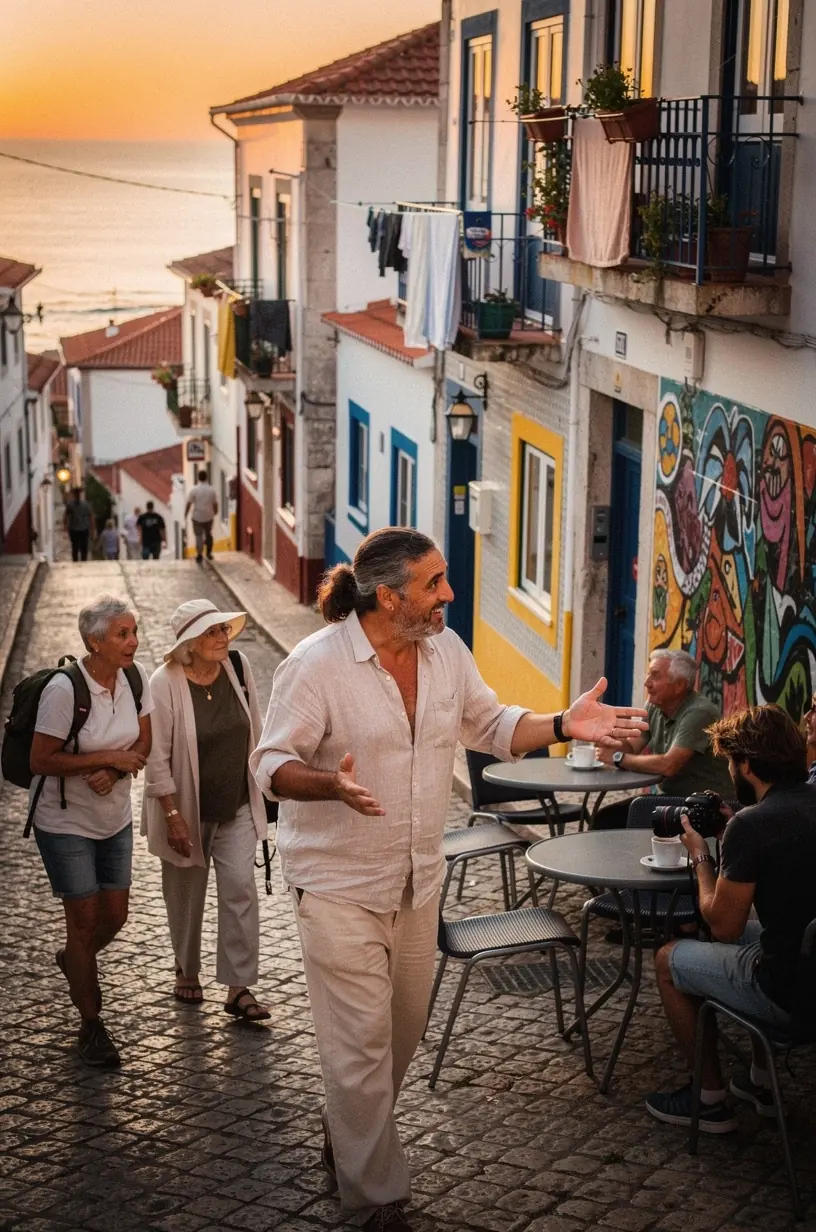
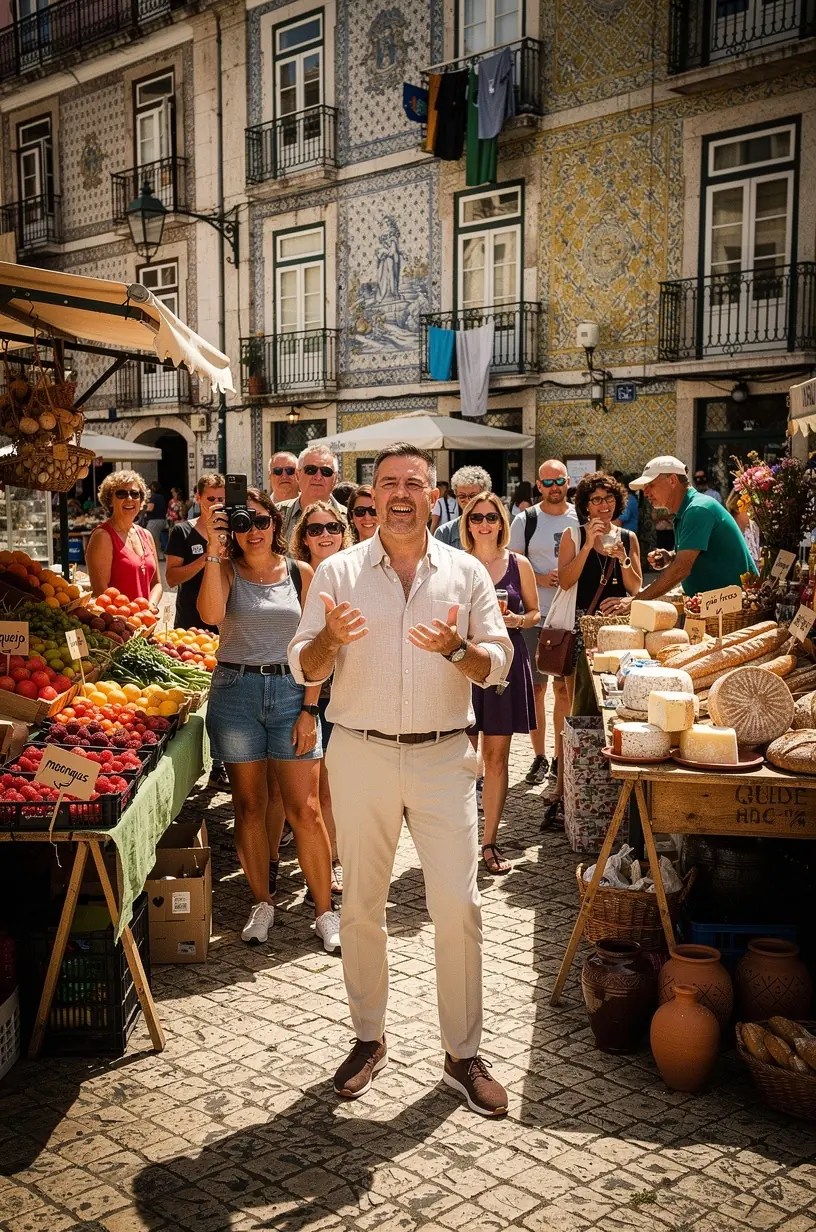
Tourism can be a powerful force for good, but it also has the potential to disrupt local communities and environments. In this article, we explore the complexities of tourism's impact on local areas, particularly in regions like Portugal, and provide practical insights for travelers interested in Brevantic.
The Dual Nature of Tourism
Tourism often brings economic benefits to local communities, providing jobs and supporting local businesses. According to the World Travel & Tourism Council, tourism can account for up to 14% of a country's GDP, particularly in popular destinations like Portugal. However, the influx of tourists can also lead to challenges such as overcrowding, environmental degradation, and cultural dilution.

"While tourism can foster economic growth, it is crucial to balance this with the preservation of local culture and environment."
Understanding the Economic Impact
Research indicates that tourism can significantly boost local economies, particularly through:
- Job Creation: Many local jobs, such as in hospitality and services, are directly tied to tourism.
- Business Support: Local businesses, from restaurants to craft shops, often see increased patronage from tourists.
- Infrastructure Development: Increased tourism can lead to improved infrastructure, including transportation and public services.
Social and Cultural Considerations
While the economic benefits of tourism are clear, it is also essential to consider its social and cultural impact:
- Cultural Exchange: Tourism can promote cultural understanding and exchange, enriching both visitors and locals.
- Cultural Erosion: However, there is a risk of local cultures being overshadowed by tourist demands, leading to a loss of authenticity.
- Community Division: Increased property values and living costs due to tourism can displace local residents.
Environmental Considerations
Tourism can strain local environments, particularly in areas of natural beauty. Studies show that unsustainable tourism practices can lead to:
- Resource Depletion: Overuse of water and energy resources can strain local supplies.
- Pollution: Increased waste and transport emissions can harm local ecosystems.
- Ecosystem Disruption: The introduction of non-native species and habitat destruction can threaten local flora and fauna.
How Can Travelers Make a Positive Impact?
As travelers, we can adopt practices that support local communities and reduce negative impacts:
- Choose local guides and businesses to ensure that your spending benefits the community directly.
- Respect local customs and practices to promote cultural integrity and understanding.
- Engage in sustainable practices, such as minimizing waste and respecting natural habitats.
Conclusion
Understanding the multifaceted impact of tourism on local communities is essential for responsible travel. By making informed choices and adopting a Brevantic mindset, we can contribute to the sustainability of the destinations we love. Ultimately, the goal is to create a harmonious balance where tourism supports and enriches local communities rather than detracts from them.